


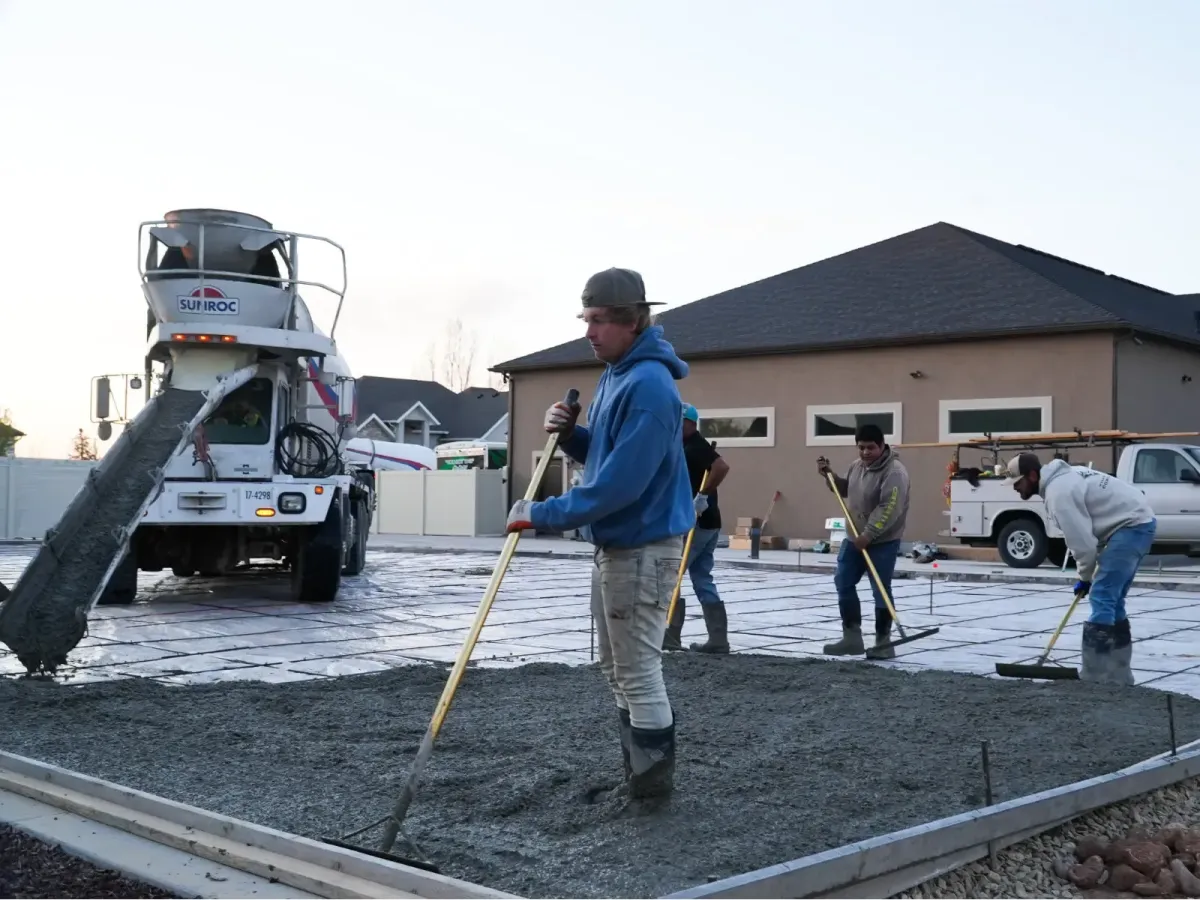
What Sacramento Homeowners Should Know Before Pouring a Backyard Pickleball Court
A private pickleball court can make a backyard more useful, active, and enjoyable for family games, practice sessions, and neighborhood play. In Sacramento, where long dry seasons and outdoor living go hand in hand, the cementing of a backyard pickleball court is one of the most important steps in building a court that feels stable, drains properly, and performs well for years.
Many homeowners start by thinking about court colors, net systems, or fencing. Those details matter, but the concrete slab is what supports the entire playing experience. If the base is poorly poured, incorrectly sloped, or not prepared for sport surfacing, the finished court may develop cracks, puddles, uneven bounce, coating failure, or traction issues.
A backyard court should be treated as a sports construction project, not just a patio upgrade. It requires the right footprint, soil preparation, reinforcement, drainage planning, curing time, and surface compatibility. For Sacramento-area homeowners, Ace Coatings Sacramento can help connect the concrete planning stage with the final court surface so the finished project plays as well as it looks.
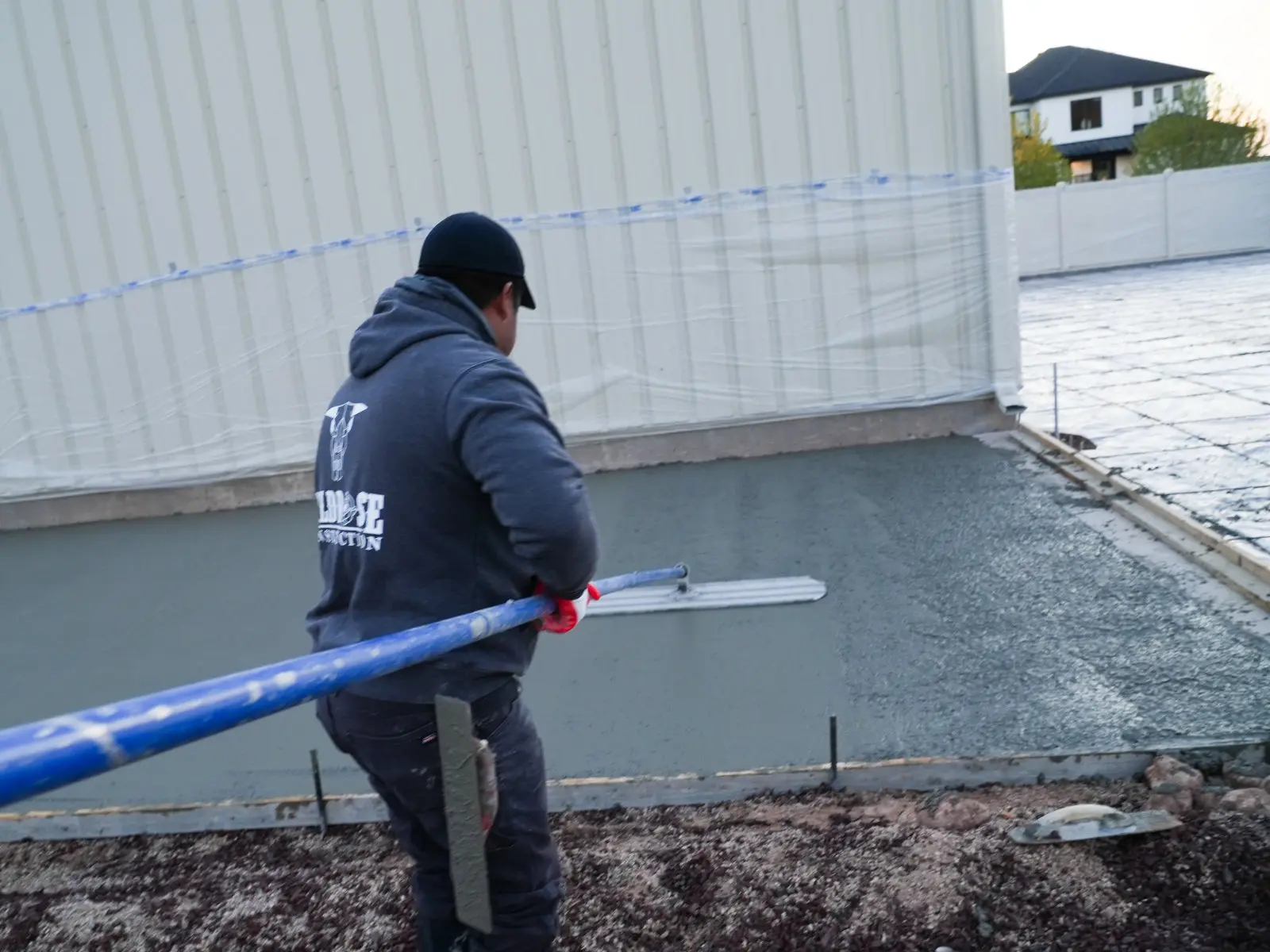
Planning the cementing of a backyard pickleball court in Sacramento
The first step is confirming that the yard has enough usable space. A regulation pickleball court is 20 feet wide by 44 feet long, but that only describes the playing lines. The concrete pad should be larger so players have safe room to move beyond the baselines and sidelines.
For most backyard projects, a practical minimum pad is about 30 feet by 60 feet. A more comfortable layout is closer to 34 feet by 64 feet, especially for frequent doubles play or homeowners who want a more professional feel. The extra space reduces the risk of players running into fencing, walls, landscaping, furniture, or retaining edges.
Sacramento properties can vary widely. Some homes have flat suburban yards, while others may have compact lots, older drainage patterns, mature trees, or irrigation systems that need to be worked around. Before committing to the court location, homeowners should consider how the project will affect the rest of the property.
Planning should include:
Measuring the full pad, not just the court lines
Checking city, county, or HOA requirements
Identifying irrigation, utility, and drainage conflicts
Choosing a court orientation that reduces sun glare
Planning space for fencing, gates, seating, and equipment
Confirming access for excavation and concrete equipment
Thinking ahead about lighting and neighbor visibility
Sacramento’s hot summers also make orientation and surrounding shade important. A north-south court orientation is often preferred when possible because it can reduce direct sun interference during play. If the yard layout does not allow that, homeowners can still improve comfort with windscreens, shade planning, or strategic landscaping outside the court area.
Site preparation for the cementing of a backyard pickleball court
A long-lasting slab begins below the surface. The ground must be cleared, graded, compacted, and prepared to support the concrete evenly. Grass, roots, soft soil, organic material, and debris should be removed before the aggregate base is installed.
Sacramento-area soil conditions can differ from one property to another. Some yards may have compacted clay, while others may have areas affected by irrigation, tree roots, or seasonal movement. A stable base helps reduce future slab movement and supports a more consistent playing surface.
Drainage is a major consideration. Even though Sacramento has long dry periods, winter rain can reveal low spots quickly. A pickleball court should be sloped subtly so water sheets off the surface instead of collecting in puddles. Standing water can stain the court, create slippery areas, shorten coating life, and cause maintenance problems.
Net post planning should also happen before the pour. If the homeowner wants a permanent net system, sleeves can be installed during the concrete phase. This is usually cleaner and stronger than drilling or modifying the slab later. If the space will serve multiple purposes, a removable net system may offer more flexibility.
Building strength into the cementing of a backyard pickleball court
Concrete is durable, but only when it is designed and installed correctly for its purpose. A backyard pickleball court needs a slab that can support athletic movement, outdoor exposure, surface coatings, and long-term foot traffic without becoming unstable or uncomfortable to play on.
The slab thickness, reinforcement, and base design should match the site conditions. Reinforcement may include rebar, wire mesh, fiber reinforcement, or other methods depending on the project. The purpose is to help control cracking and improve structural stability.
Control joints require careful thought. In general concrete work, joints are used to manage cracking, but on a sport court they can affect play if placed poorly. A visible joint through a key playing area may influence ball bounce, surface appearance, or future coating performance. Joint planning should be discussed before construction begins, not after the slab is already poured.
The concrete finish should also be compatible with the final sport surface. A slab that is finished too smooth can make it difficult for acrylic coatings to bond correctly. A slab that is too rough may require more preparation before surfacing. The ideal finish supports adhesion while allowing the court coating system to create the final texture and traction.
Curing is another critical step. Sacramento heat can cause concrete to dry too quickly if the curing process is not properly managed. Concrete needs time to gain strength and release moisture before sport coatings are installed. Rushing this stage can lead to adhesion problems, trapped moisture, or premature coating failure.
Concrete details for the cementing of a backyard pickleball court
Before approving the concrete work, homeowners should understand the technical details that affect the finished court. Good planning at this stage can prevent expensive corrections later.
Important questions include:
How thick will the slab be?
What reinforcement method will be used?
How will the base be compacted?
Which direction will the court drain?
Where will water go after it leaves the court?
Will permanent net post sleeves be installed?
How will cracks and control joints be managed?
How long should the slab cure before coating?
USA Pickleball provides recognized court dimension guidance, but the concrete design still needs to reflect the property’s actual conditions. Local drainage, soil stability, access, and surrounding landscape features all influence how the court should be built.
This is where early coordination with Ace Coatings Sacramento can be helpful. When the surfacing team understands the slab design before concrete is poured, they can help identify details that may affect coating adhesion, line striping, surface texture, and long-term playability.
Finishing the cementing of a backyard pickleball court with the right surface
Once the concrete has cured, the project moves into surface preparation and finishing. This is when the slab becomes a real pickleball court. The concrete may need cleaning, profiling, patching, or moisture evaluation before coatings are applied.
Acrylic sport coatings are commonly used for pickleball because they provide color, traction, and consistent ball response. These coatings are different from standard concrete paint. They are designed for athletic movement and should be installed in a way that supports grip, bounce, and durability.
Color selection can also improve playability. Many courts use a contrasting color inside the playing area and a different color around the perimeter. This helps players track the ball and see the boundaries clearly. In Sacramento’s sunny climate, homeowners may also want to consider glare, heat absorption, and how the court fits into the overall backyard design.
Line striping must be measured accurately. Even small layout mistakes can make the court feel off during play. Crisp, properly placed lines help the court look professional and support fair games. If the court will be used only for pickleball, the layout is straightforward. If the homeowner wants a multi-use space, line planning should be handled carefully to avoid visual clutter.
Finishing details can improve the court’s function and comfort. These may include:
Permanent or removable net systems
Fencing to contain balls
Windscreens for privacy and glare control
LED lighting for evening play
Seating or shaded rest areas
Storage for paddles, balls, and cleaning tools
Landscape borders that keep soil and mulch off the court
Lighting should be planned with both players and neighbors in mind. Fixtures should provide even coverage without shining directly into nearby homes. In residential settings, thoughtful lighting design can make the court more usable while reducing potential complaints.
Maintenance after the cementing of a backyard pickleball court
A well-built backyard court still needs consistent care. Sacramento’s dry weather, dust, leaves, irrigation overspray, and seasonal rain can all affect the playing surface over time. Simple maintenance helps protect the coating and preserve traction.
Recommended maintenance practices include:
Remove leaves, dirt, and debris regularly
Rinse dust buildup when needed
Keep sprinklers from spraying onto the court
Avoid harsh cleaners or aggressive pressure washing
Trim nearby trees and shrubs
Watch for puddles after rain
Avoid dragging furniture or equipment across the surface
Keep vehicles, bikes, and sharp objects off the court
Homeowners should also inspect the court periodically for early cracks, coating wear, stains, or low spots. Small issues are usually easier to address before they spread. Over time, resurfacing may be needed depending on use, weather exposure, and maintenance habits.
The concrete base is the foundation of the entire court. When it is properly planned, poured, cured, and surfaced, the finished space can deliver years of reliable play. When it is rushed or treated like ordinary flatwork, problems often show up later in the form of cracks, puddles, surface failure, or inconsistent bounce.
For Sacramento homeowners, the best approach is to plan the full court system from the beginning. That means thinking about the base, slope, coating, lines, equipment, drainage, and maintenance together. A backyard court is a meaningful investment, and each layer affects the next.
Ace Coatings Sacramento can help homeowners evaluate surfacing needs, understand preparation requirements, and plan for a court that supports safe, enjoyable play. With the right concrete work and sport-specific finishing, a backyard pickleball court can become one of the most valuable and frequently used spaces on the property.
