

Commercial Pickleball Courts: Costs, Care & Best Practices
So, you’re thinking about building a commercial pickleball court? It’s a fantastic idea that brings up one big question: “How much is this really going to cost?” Industry data shows the realistic, all-in investment for Commercial Pickleball Courts ranges from $25,000 to $100,000+ per court. While most people focus on the colorful playing surface, the real make-or-break factor is hidden underground. A court is like a house—cut corners on the foundation and cracks are inevitable. A weak base guarantees costly repairs, making structural integrity the single most important part of your project.
To build an accurate budget, break your project into three parts:
The Base – asphalt or concrete foundation
The Surface – the acrylic layers you play on
The Extras – fencing, lighting, nets, and amenities
This guide walks you through each category so you can plan with confidence, protect your investment, and build courts that last.
🧱 Commercial Pickleball Courts Costs: What You’re Really Paying For
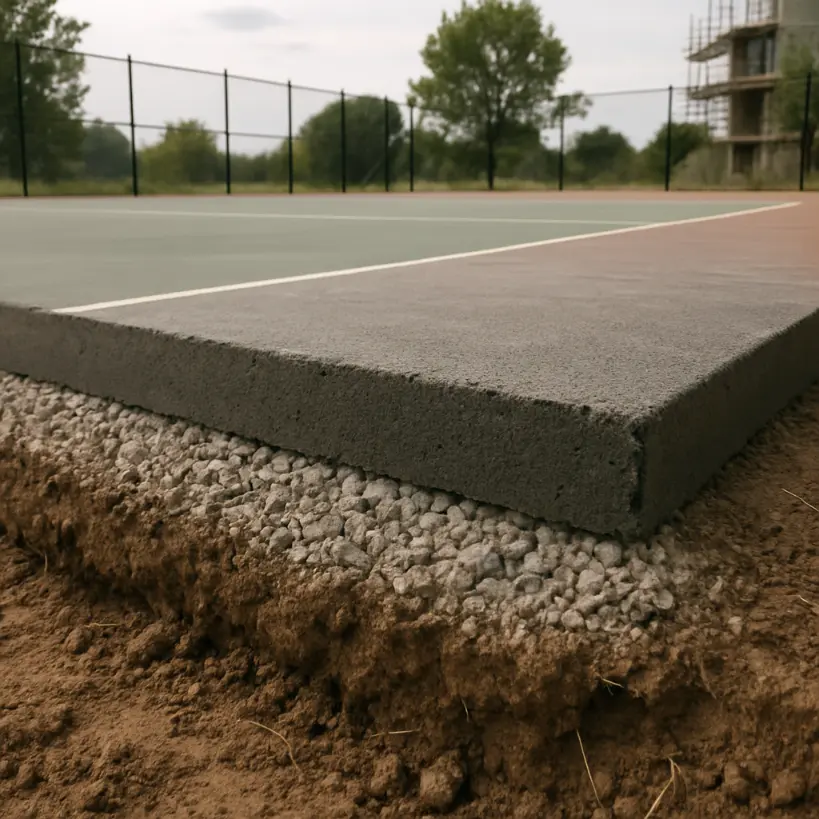
The most critical—and expensive—component is the foundation. It typically accounts for 40–60% of your total budget. This is where experience matters most, and why professional builders like Ace Coatings Sacramento emphasize sub-base preparation before anything else.
Asphalt Base:
The most affordable option, laid over compacted gravel. It keeps upfront costs down but is more vulnerable to movement and cracking over time, especially in areas with temperature swings.Concrete Base:
Higher initial cost, but far more stable. With proper installation, concrete can last decades with minimal structural issues.Post-Tensioned Concrete:
The gold standard. Steel cables inside the slab actively resist cracking, making it the best long-term solution for outdoor facilities that demand durability and low maintenance.
This decision is a classic trade-off: lower upfront cost vs. lower lifetime expense. Facilities that prioritize longevity nearly always choose concrete.
🎨 Commercial Pickleball Courts Costs: Surface Systems & Player Experience
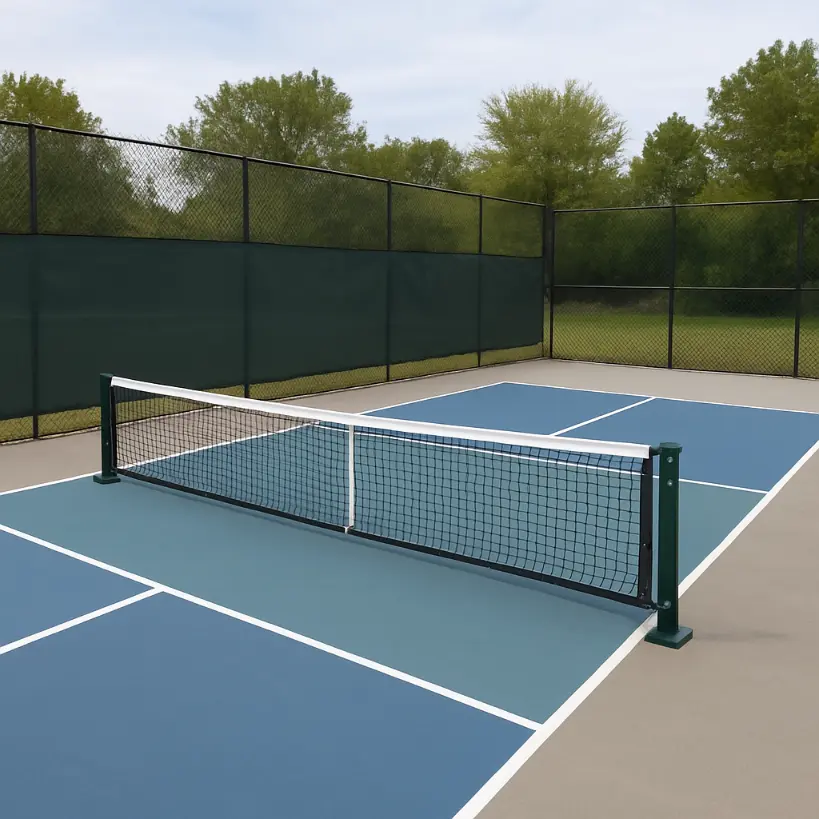
Once the base cures, the surfacing system defines how the court looks and plays. A professional installation uses 3–5 acrylic layers—not just paint—to create color, texture, and grip.
Standard Acrylic Systems are the most budget-friendly and suitable for most facilities.
Cushioned Systems add rubberized layers beneath the color coats, reducing impact on joints. These are ideal for clubs, senior communities, and high-volume facilities.
Cutting corners here means resurfacing sooner than planned. Contractors like Ace Coatings Sacramento often see courts fail early because builders skimped on layers. Investing in the right surface protects both players and your budget.
🛠️ Commercial Pickleball Courts Care: Maintenance That Preserves Value
A commercial court is a revenue asset. Like any asset, it needs routine care to perform and last.
Regular maintenance includes:
Quarterly inspections for cracks or low spots
Annual deep cleaning to remove algae and grit
Prompt crack sealing to block water intrusion
Line touch-ups for professional presentation
Small repairs are inexpensive. Neglect, however, leads to water infiltration, freeze–thaw damage, and premature resurfacing.
Professionals aligned with USA Pickleball standards recommend proactive care because it can extend surface life by several years—often saving tens of thousands over time.
🔄 Commercial Pickleball Courts Care: Tennis Court Conversions
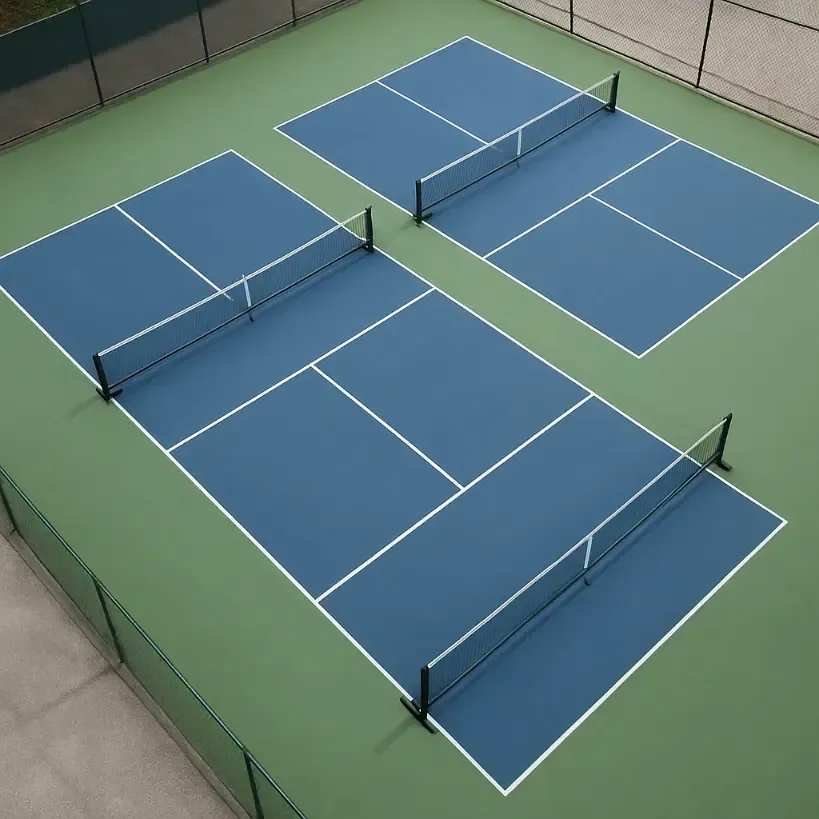
Converting an existing tennis court is one of the smartest budget strategies. A single tennis court can fit four pickleball courts, instantly quadrupling capacity.
Typical conversion cost: $5,000–$20,000
Includes crack repair, resurfacing, and new lines
Add portable or in-ground pickleball nets
If the base is sound, this approach delivers massive ROI. Many municipalities and clubs partner with specialists like Ace Coatings Sacramento for these projects because they transform underused spaces into high-demand facilities at a fraction of new-build cost.
📐 Commercial Pickleball Courts Best Practices for Long-Term Success
Beyond construction, long-term success depends on planning the entire site—not just the court.
Key considerations:
Permits & Zoning: Noise, lighting hours, and setbacks vary by city. Always call your local planning department first.
Drainage & Grading: Courts must have a precise 1% slope to prevent puddling. Poor drainage is a top cause of early failure.
ADA Compliance: Public facilities require accessible paths and ramps—budget for it from day one.
Lighting is another major decision. Professional LED systems cost $10,000–$25,000 per court, but they double usable hours and unlock evening leagues, lessons, and rentals. While older metal-halide lights are cheaper upfront, LEDs save thousands in energy and maintenance.
📋 Commercial Pickleball Courts Best Practices: Your Project Kickoff Plan
Use this checklist to move forward with confidence:
Define your goal: community amenity or revenue facility?
Call your local planning department first
Get 3+ quotes from court specialists (not general pavers)
Request line-item pricing: Base, Surface, Fencing, Lighting
Visit completed projects in person
Set aside 5–10% annually for maintenance
With this framework, the cost becomes manageable and predictable. You’ll ask better questions, choose better partners, and avoid the most common—and expensive—mistakes.
Contact us at Ace Coatings Sacramento to discuss your project, request a professional assessment, or get a detailed quote for your commercial pickleball court build or conversion.
