


Concrete Pickleball Court Installation in Sacramento: Planning, Surfaces & Long-Term Performance
A successful Concrete Pickleball Court Installation in Sacramento starts with a stable foundation, accurate layout, proper drainage, and a surface system designed for Northern California heat. While pickleball courts may look simple from the outside, the best installations are carefully engineered to support consistent bounce, safe traction, and years of reliable play.
Sacramento homeowners, HOAs, schools, clubs, and recreation facilities are increasingly adding pickleball courts because the sport is social, accessible, and space-efficient. A well-built court can turn an underused yard or facility area into a dependable place for exercise, competition, and community activity.
The challenge is that Sacramento’s climate and soil conditions require thoughtful planning. Long hot summers, UV exposure, seasonal rain, and areas with clay or shifting soils can all affect court performance. Ace Coatings Sacramento evaluates these conditions early so the final court is built as a complete athletic system, not just a concrete pad with painted lines.
Planning Concrete Pickleball Court Installation in Sacramento
The first step in any pickleball court project is understanding how much space is truly needed. A regulation pickleball court measures 20 feet wide by 44 feet long, but that is only the striped playing area. Players also need safe space beyond the lines to chase shots, recover balance, and move freely.
A common minimum total playing area is about 30 feet by 60 feet for one court. For a more comfortable layout, especially for competitive play or frequent use, many owners consider a larger area closer to 34 feet by 64 feet. Extra run-off space helps the court feel less crowded and reduces the risk of players running into fencing, walls, landscaping, or equipment.
Before construction begins, the site should be reviewed for:
Available space and access
Sun orientation and glare
Slope and drainage direction
Soil stability
Property setbacks
HOA or municipal requirements
Fence and gate placement
Lighting plans
Noise considerations
Court orientation matters in Sacramento because direct sun can affect visibility and comfort. A north-south orientation is often preferred when the site allows it, helping reduce low-angle sun glare during morning and evening play.
Site Prep for Concrete Pickleball Court Installation in Sacramento
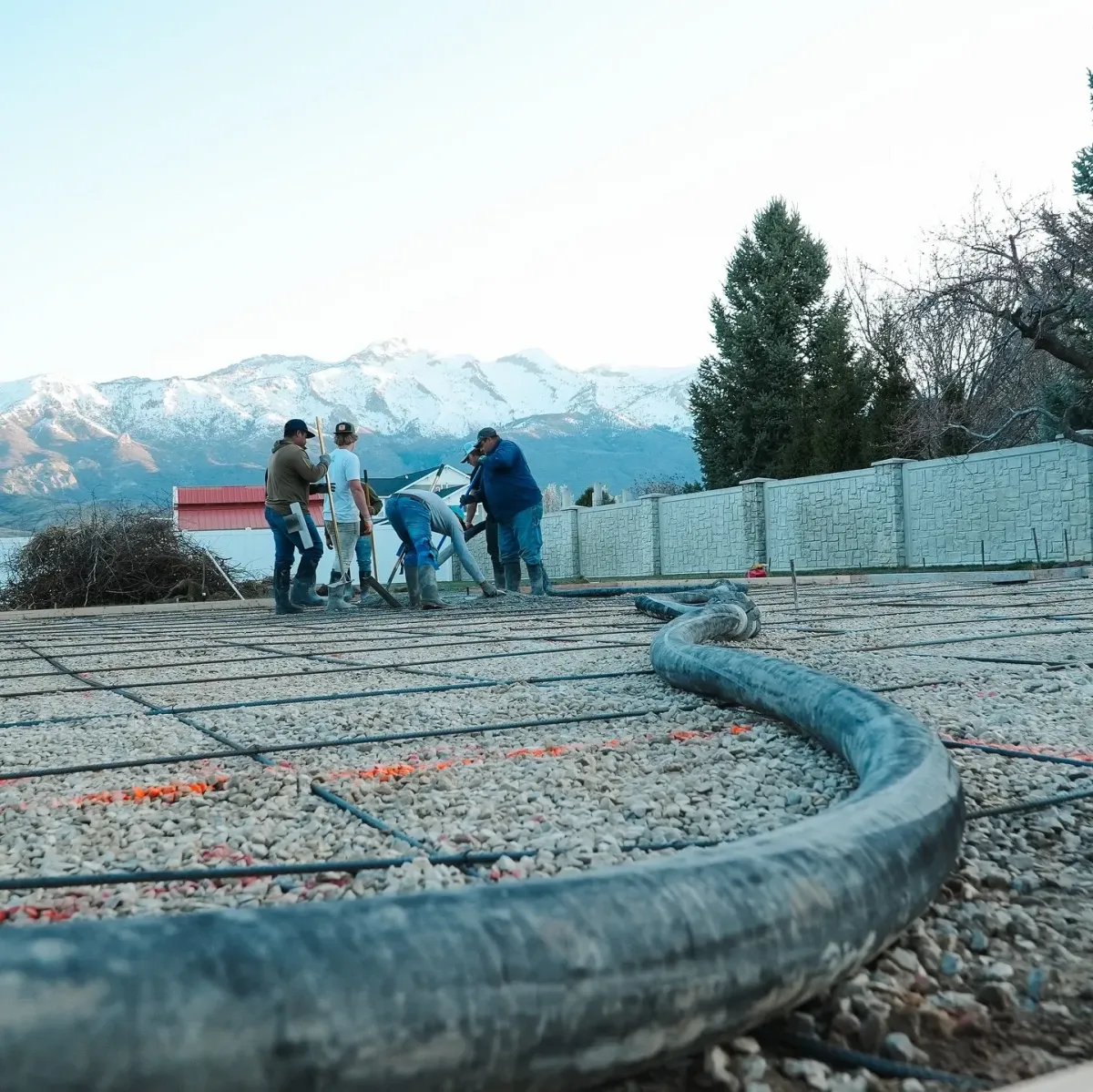
A durable court begins below the surface. Site preparation usually includes clearing vegetation, removing unsuitable soil, grading the area, and compacting a stable aggregate base. This sub-base is critical because it supports the concrete slab and helps reduce settling over time.
Drainage should be planned during this stage, not after the court is poured. Pickleball courts may look flat, but they need a subtle slope to move water off the playing surface. Standing water can damage coatings, create slick spots, and lead to premature wear.
Depending on the property, drainage solutions may include:
Proper court slope
Perimeter drains
French drains
Catch basins
Grading around the court
Runoff routing away from nearby structures
Sacramento properties with clay-heavy soils may need extra attention during grading and base preparation. Poorly compacted soil or inadequate drainage can lead to movement beneath the slab, which may eventually show up as cracking or uneven areas.
Permitting should also be reviewed early. Requirements can vary depending on location, property type, grading scope, retaining walls, fencing, lighting, and stormwater considerations. For homes in HOAs, architectural approval may also be required before work begins.
Building Concrete Pickleball Court Installation in Sacramento for Durability
Concrete is often preferred over asphalt for long-term pickleball court performance because it creates a rigid, stable base. Asphalt can work in some settings, but it may soften, oxidize, and deteriorate more quickly under intense heat. For a permanent backyard or facility court, concrete often provides better long-term value.
The two most common concrete base options are reinforced concrete and post-tensioned concrete.
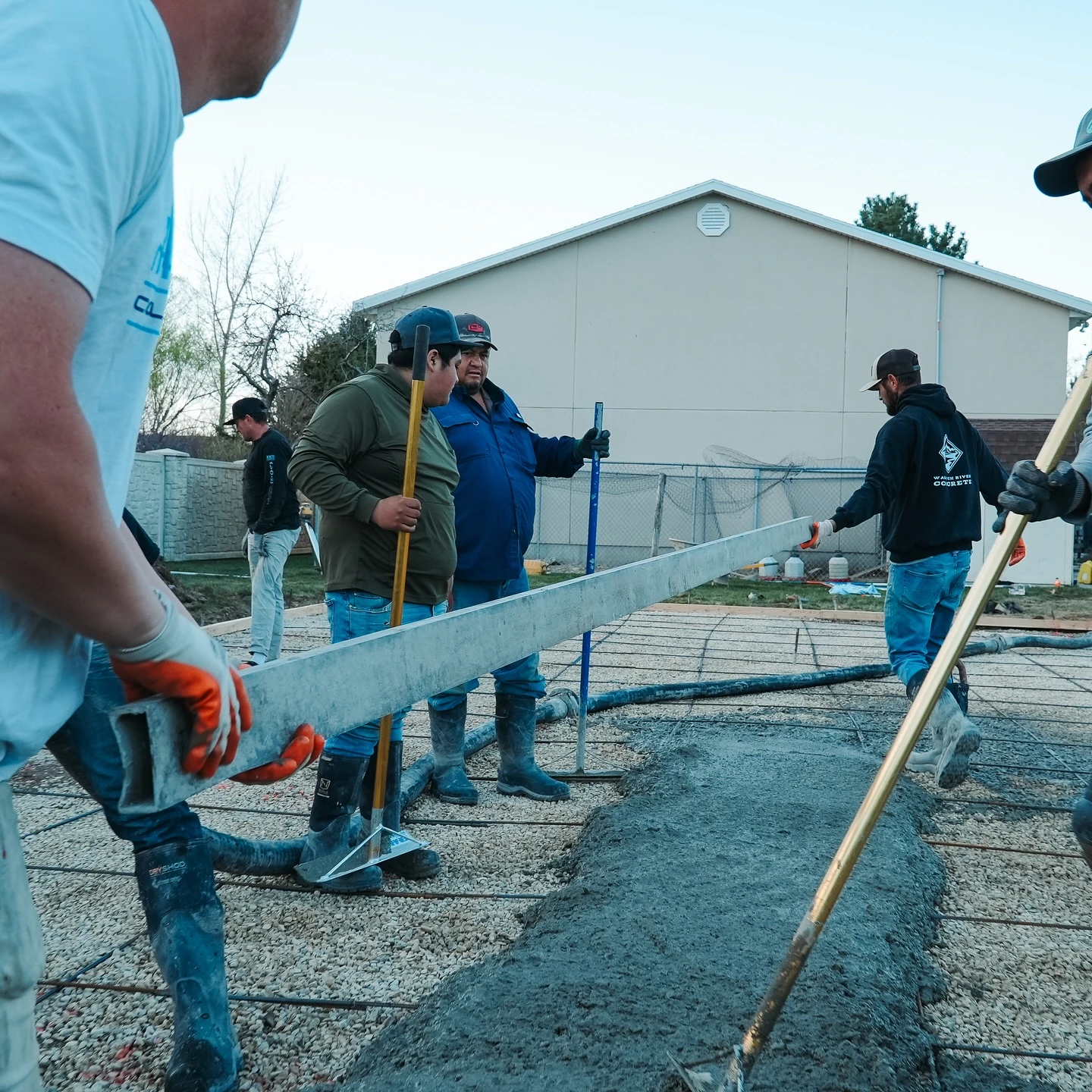
Reinforced concrete uses steel rebar or wire reinforcement to strengthen the slab. It is a proven option for many residential and commercial courts when the site has stable soil and proper drainage.
Post-tensioned concrete uses steel cables placed inside the slab. After the concrete cures, the cables are tensioned to compress the slab and help control cracking. This option is often considered for higher-end installations or sites where soil movement is a greater concern.
Concrete curing is another important part of the process. New concrete needs time to release moisture and gain strength before acrylic surfacing is applied. If coatings are installed too soon, trapped moisture can lead to bubbling, peeling, or early coating failure.
Surface Systems for Concrete Pickleball Court Installation in Sacramento
Once the concrete has cured, the acrylic surfacing system turns the slab into a true athletic playing surface. Standard exterior paint is not appropriate for pickleball courts because it lacks the durability, traction, and sport-specific texture required for safe play.
A typical acrylic court system may include:
Surface cleaning and preparation
Crack or minor imperfection repair
Acrylic resurfacer
Textured color coats
Precision line striping
Optional cushion layers
Texture is especially important. Fine aggregate is blended into the coating to create slip resistance and consistent ball response. A court that is too smooth can become slippery, while a court that is too rough may feel harsh and wear down shoes or balls faster.
Sacramento’s summer heat should also influence color selection. Darker court colors can absorb more heat, making the surface uncomfortable during peak sun. Lighter greens, grays, or blues may help reduce heat absorption while still providing strong contrast for visibility.
Cushioned acrylic systems are another option. These systems add rubberized layers beneath the color coats to improve comfort and reduce impact on joints. They are especially useful for frequent players, senior communities, and private courts intended for regular family use.
For official dimensions and equipment guidance, property owners should review standards from USA Pickleball before finalizing court layout, net placement, and line markings.
Maintaining Concrete Pickleball Court Installation in Sacramento
A well-built concrete pickleball court should be easy to care for, but it still needs routine maintenance. Sacramento’s dust, leaves, pollen, sun exposure, and seasonal rain can gradually affect the surface if debris is allowed to build up.
Basic maintenance should include:
Sweeping or blowing off debris regularly
Washing with mild cleaner when needed
Avoiding harsh chemicals
Keeping nearby landscaping trimmed
Checking drainage areas after storms
Inspecting high-traffic zones near baselines
Addressing cracks or coating wear early
Pressure washing should be used carefully. Excessive pressure can damage the acrylic texture and shorten the life of the coating system. A soft-bristle broom, gentle rinse, and court-safe cleaner are usually better for routine cleaning.
Over time, even quality acrylic surfaces will need resurfacing. Many courts benefit from resurfacing every several years, depending on use, sun exposure, maintenance habits, and coating condition. Resurfacing restores color, traction, and line visibility while also allowing minor surface issues to be corrected.
Ace Coatings Sacramento helps evaluate whether a court needs cleaning, repair, resurfacing, or more extensive restoration. This matters because treating the right problem at the right time can extend the useful life of the court and reduce larger repair costs later.
Budgeting Concrete Pickleball Court Installation in Sacramento
The cost of a pickleball court depends on site conditions and project scope. A flat, accessible site with stable soil will usually be more straightforward than a sloped yard that requires grading, retaining walls, drainage work, or difficult equipment access.
Budget factors often include:
Site clearing and excavation
Aggregate base preparation
Reinforced or post-tensioned concrete
Drainage improvements
Acrylic or cushioned surfacing
Court colors and striping
Permanent or portable net systems
Fencing and gates
Lighting
Landscaping or noise-control features
Permanent net systems are usually preferred for dedicated courts because they provide better tension and a more polished playing experience. Portable nets may work for multi-use spaces, but they typically do not feel as stable during regular play.
Fencing is another practical consideration. It keeps balls contained, improves safety, and helps define the court area. Lighting may also be useful, but it should be planned carefully to reduce glare and avoid disturbing neighboring properties.
Noise should be reviewed early for residential installations. Pickleball produces a sharper sound than tennis because of the plastic ball and paddle contact. Court placement, fencing accessories, landscaping, and acoustic materials can all help manage sound.
A concrete pickleball court is a long-term investment, and the strongest results come from careful planning at every stage. The base, drainage, coatings, equipment, and maintenance plan all work together to determine how the court feels and how long it lasts.
When built correctly, a dedicated pickleball court can provide years of safe, consistent, and enjoyable play. It can also add useful recreation space to a home, club, school, or community property while supporting a sport that continues to grow across Northern California.
Contact Ace Coatings Sacramento to discuss your court plans, ask questions about surface options, or schedule a site review. Their team can help you understand what your space needs and recommend practical next steps based on your goals, budget, and playing conditions.
