


Non-Volley Zone in Pickleball: Rules, Strategy & Tips
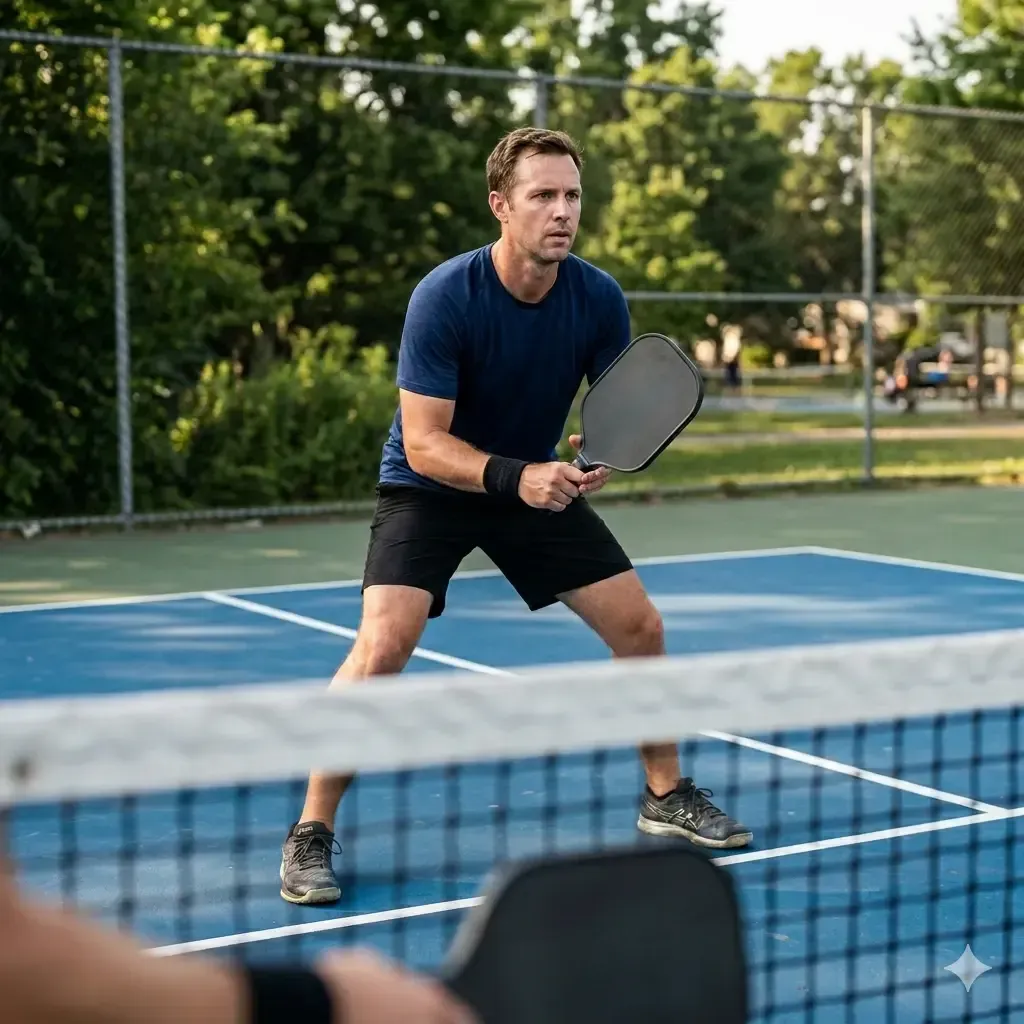
If you’ve played even a few games, you’ve probably heard someone mention the area near the net where players need to be extra careful. That space, known as the non-volley zone in pickleball, is one of the most important parts of the court. While many players casually call it the kitchen, its official purpose is to prevent players from volleying too close to the net and to keep rallies strategic and balanced. According to guidelines from USA Pickleball, this 7-foot zone on both sides of the net helps maintain fairness by encouraging controlled shots, positioning, and patience rather than pure power. Once you understand how this rule works, the flow of the game becomes much easier to follow and far more enjoyable to play.
Non-Volley Zone in Pickleball: What It Means for Every Player
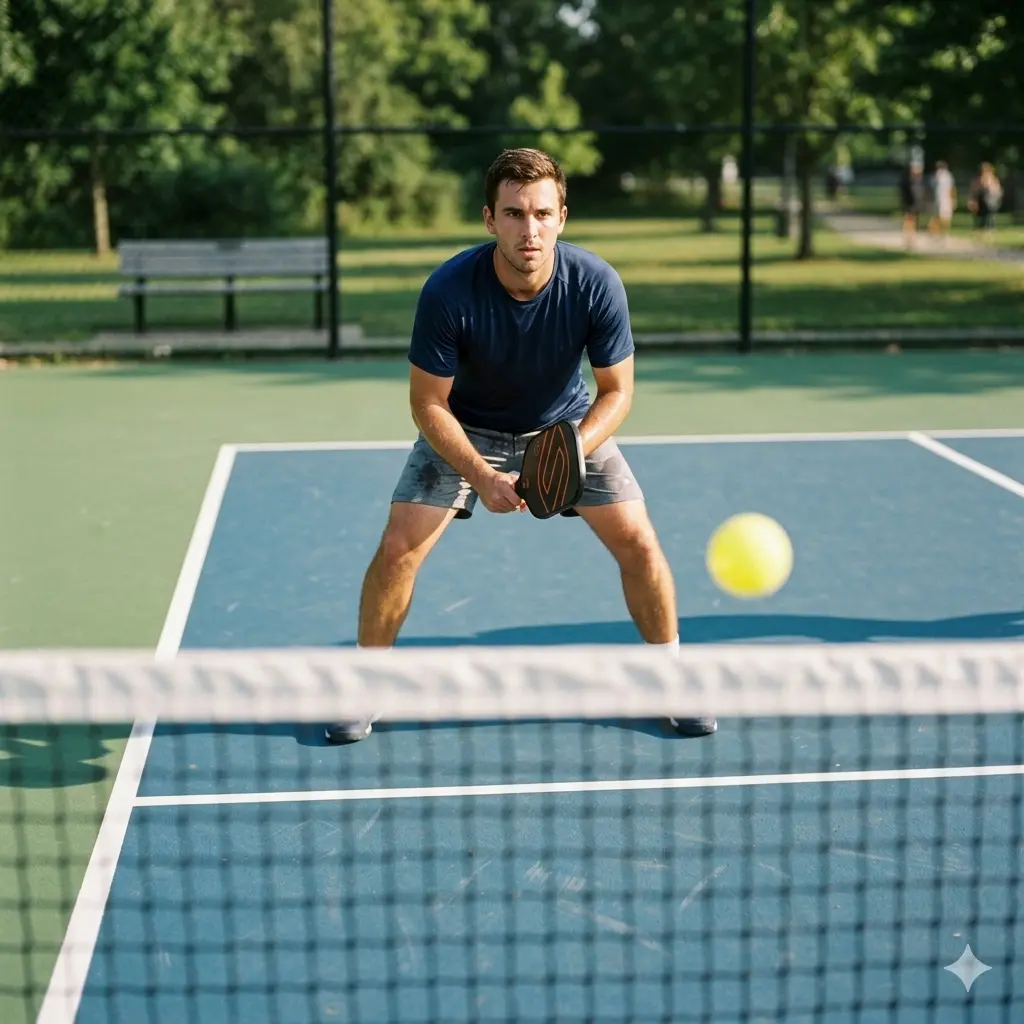
The non-volley zone is the rectangular section that extends 7 feet from the net on each side of the court. It runs from sideline to sideline and includes the painted boundary line. Its job is simple but important: players are not allowed to hit volleys while standing inside this zone.
A volley means striking the ball before it bounces. Without this rule, stronger or taller players could dominate by standing right at the net and putting every ball away. The non-volley zone helps create longer rallies and makes placement, control, and timing more important than pure power.
For beginners, this is often the first rule that feels awkward in real games. You might know the rule in theory, but once the rally speeds up, it’s easy to forget where your feet are. That’s why understanding the purpose behind the rule helps. It is not there to punish players. It is there to protect the flow of the game.
Non-Volley Zone in Pickleball Dimensions and Line Rules
The measurements are standard on every regulation court:
7 feet from the net on each side
Full width of the court
Boundary line included as part of the zone
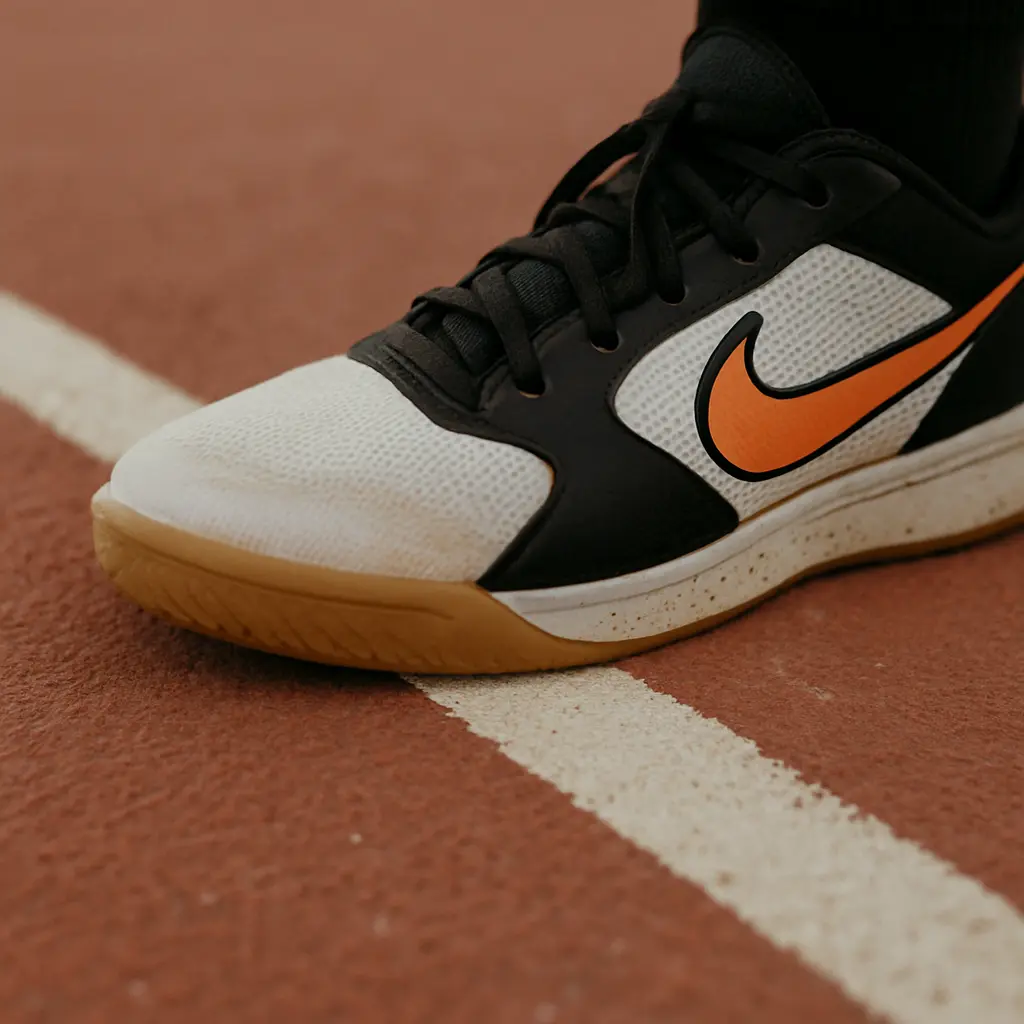
That last point matters more than many new players realize. If your shoe touches the line during a volley, it is considered a fault. The line is not a safe edge. It is part of the non-volley zone itself.
This is one reason properly marked courts matter. Clear striping, reliable traction, and quality coatings can make a big difference in player confidence. Companies like Ace Coatings Sacramento understand that a court is not just about appearance. It is about playability, consistency, and helping players move with confidence.
Pickleball Non-Volley Zone Rules You Need to Know
Once you understand where the zone is, the next step is learning how the rules actually work during live play. The good news is that the core idea is straightforward. The challenge is applying it correctly when points move fast.
Here are the most important rules every player should remember:
You cannot volley the ball while standing inside the non-volley zone
You cannot touch the line during a volley
You cannot let your momentum carry you into the zone after a volley
You may enter the zone freely after the ball bounces
That final point is where many beginners get confused. The zone is not off-limits all the time. You can absolutely step into it when needed, as long as you are not volleying.
Pickleball Non-Volley Zone Faults and Momentum Explained
The momentum rule is one of the most misunderstood parts of pickleball. Even if you make contact with the ball while your feet are outside the zone, it is still a fault if your body continues forward and you step into the zone afterward.
In other words, the shot does not end the moment your paddle touches the ball. Your balance and follow-through still count.
Here’s a common example:
You reach forward and hit a clean volley from just behind the line
The shot is good and would normally win the point
But your momentum carries your foot into the non-volley zone
That is still a fault.
This rule forces players to stay under control. Instead of lunging recklessly, you need balance, body awareness, and stable footwork. Over time, that control becomes one of the biggest advantages in your game.
Non-Volley Zone in Pickleball Strategy for Smarter Net Play
Once the rules stop feeling intimidating, the non-volley zone becomes more than just a place to avoid. It turns into a strategic reference point. Skilled players know that controlling the area just behind this line is one of the best ways to control the rally.
The strongest positioning in pickleball is usually right behind the non-volley zone line. From there, players can take time away from their opponents, cut off angles, and apply pressure without committing faults. Staying too far back often gives up control and allows the other team to dictate the point.
This is where the soft game becomes essential. Instead of hitting every ball hard, players begin using touch shots to move opponents around and create mistakes.
Non-Volley Zone in Pickleball Strategy With Dinks and Control
The dink is one of the most important shots in pickleball because it works directly with the non-volley zone. A dink is a soft shot that lands inside your opponent’s non-volley zone, forcing them to hit upward and reducing their ability to attack.
This creates a slower, more tactical exchange near the net. Rather than relying on power, you are trying to create an opening by using patience, placement, and control.
A strong dink game helps you:
Neutralize hard hitters
Keep opponents from attacking aggressively
Force pop-ups you can put away later
Stay in control of the pace of the rally
Surface quality matters here too. Soft shots and controlled bounces are much easier to practice on courts that are built with proper texture and even coatings. That is part of why players and property owners often turn to Ace Coatings Sacramento for court surfacing that supports both performance and durability.
Common Mistakes Players Make Near the Non-Volley Zone
Even players who know the rules still make repeated mistakes around this area. Most of them are not caused by confusion. They happen because of habit, panic, or poor positioning.
One common issue is standing too close to the line. When you crowd the boundary, even a small forward movement can cause a fault. A better approach is to give yourself a few extra inches of space.
Another mistake is leaning or lunging through volleys. Players see a chance to attack and let their body drift forward without noticing it. Good net play is not only about reaching the ball. It is about staying balanced before, during, and after contact.
Some players also hesitate too much and avoid entering the zone even when the ball has bounced. That can cost them easy shots. Once the ball bounces, you are allowed to step in and play it. The key is knowing the difference between a bounce situation and a volley situation.
Practice Drills to Build Better Non-Volley Zone Awareness
If you want to improve quickly, the best thing you can do is train your body to recognize the line automatically. A few simple drills can help build confidence and reduce faults.
Two-Inch Buffer Drill
Place tape two inches behind the line and practice volleys without crossing it. This teaches you to leave a small safety margin.
Freeze After Contact Drill
Every time you hit a volley, freeze your feet for two seconds. This helps you feel whether your body is drifting forward.
Dink Exchange Drill
Stand near the non-volley zone line with a partner and trade soft dinks. Focus on staying relaxed, balanced, and patient.
Side Shuffle Footwork Drill
Move laterally along the line without stepping forward. This improves court coverage while helping you stay under control.
These drills may seem simple, but they build habits that show up in real games. The more comfortable you become near the line, the more confident and composed you’ll feel during rallies.
Why Mastering the Non-Volley Zone Changes Your Whole Game
For many players, the biggest breakthrough in pickleball happens when the area near the net stops feeling confusing and starts feeling useful. Once you understand the non-volley zone, you stop fearing it. You begin using it as a tool.
You start to recognize when to hold your ground, when to reset with a dink, and when to step in after a bounce. You become more controlled, more strategic, and much harder to beat at the net.
That is what makes this rule so important. It shapes the entire style of the game. It rewards control over chaos and smart decisions over rushed shots.
And when you’re playing on a court with professional surfacing and crisp, accurate striping, those decisions become easier to trust. A well-finished court supports better movement, cleaner play, and a more enjoyable experience overall.
Ready to Build or Resurface Your Court?
A quality pickleball court should do more than look good. It should help players move confidently, see every line clearly, and enjoy a consistent playing experience match after match.
If you’re planning a new pickleball court or want to restore an existing one, professional surfacing can make a major difference. Ace Coatings Sacramento provides court coating and resurfacing solutions designed for performance, durability, and long-term value.
Contact us at Ace Coatings Sacramento to learn more about professional pickleball court surfacing, maintenance, and installation support.
