


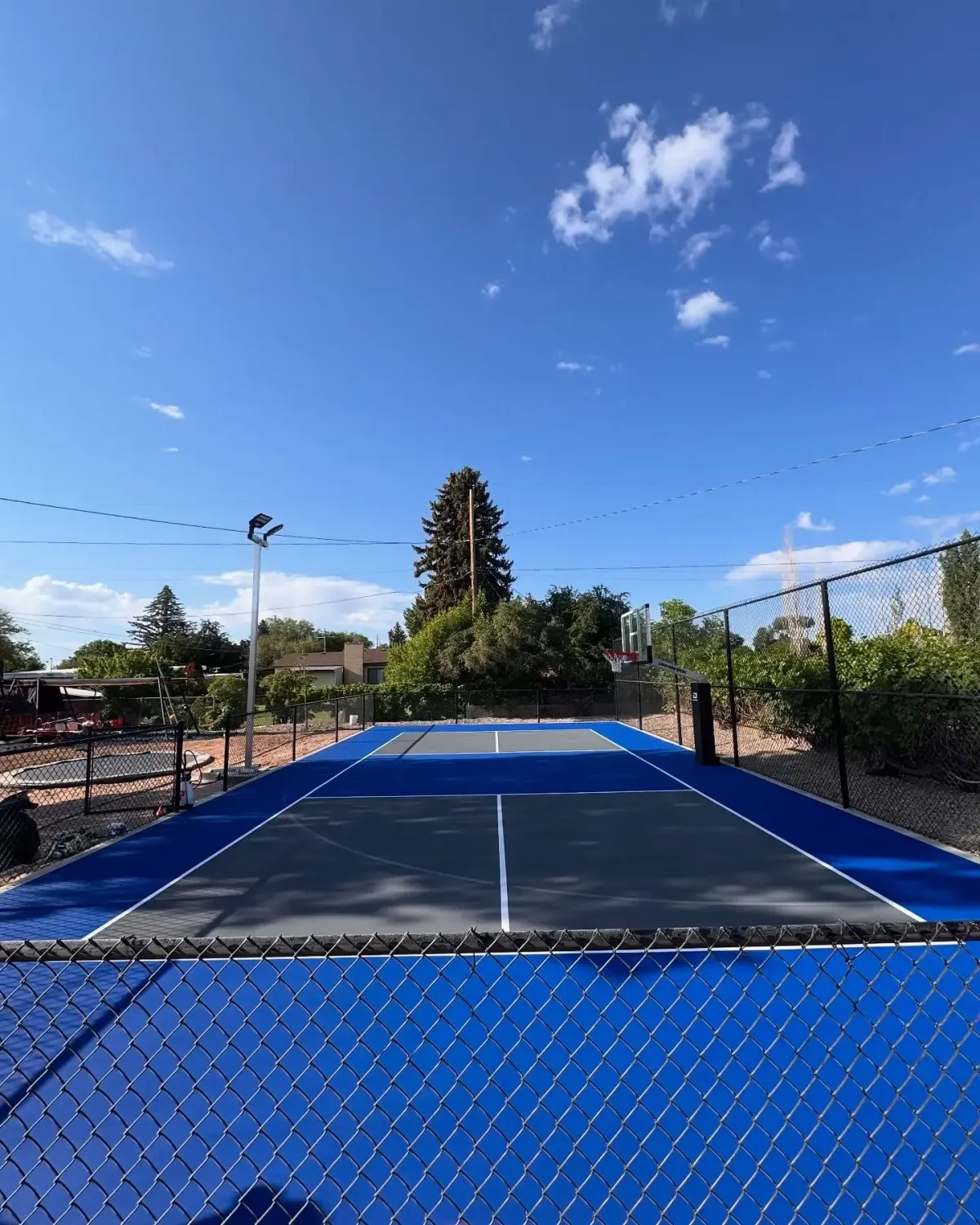
Pickleball Court Expert Builders in Sacramento
Pickleball continues to grow across Northern California, from private backyards to parks, clubs, schools, HOAs, and active adult communities. But a dependable court takes more than painted lines and a portable net. Working with pickleball court expert builders in Sacramento helps ensure the court is properly planned from the ground up, with the right base, drainage, surface system, and layout for local conditions.
Sacramento’s climate creates specific challenges for outdoor courts. Long, hot summers can fade low-quality coatings and make dark surfaces uncomfortable. Winter storms can expose grading problems, create puddles, and push water into weak spots around the court. Heavy clay soils in parts of the region can also expand and contract with moisture, which makes base preparation especially important.
A well-built pickleball court should do three things consistently: play true, drain correctly, and hold up under real use. Whether the project is a residential backyard court or a multi-court community facility, the best results come from detailed planning before construction begins. Ace Coatings Sacramento understands that a court is not just a recreational add-on; it is a long-term outdoor surface that needs to be engineered for performance, safety, and durability.
Why pickleball court expert builders in Sacramento start with site planning
Every successful court begins with the site. Before discussing colors, nets, or logos, the property needs to be evaluated for slope, soil stability, access, drainage, sunlight, and available space. Skipping this step can lead to expensive problems later, including cracking, standing water, uneven play, or premature surface wear.
A regulation pickleball court playing area is 20 feet wide by 44 feet long. However, the full court pad should be larger to provide safe run-off space around the playing lines. Many residential and recreational courts are designed around a 30-by-60-foot pad, while competitive or multi-court projects may require more space for fencing, walkways, seating, lighting, and accessibility.
Site planning also affects the budget. A flat, open yard with good access will usually cost less to build on than a tight backyard with grade changes, tree roots, poor drainage, or limited equipment access. For commercial and community projects, planning may also include ADA-accessible routes, gates, viewing areas, and safe transitions from parking or sidewalks.
Important site-planning questions include:
Is the court area large enough for safe play?
Does the yard naturally drain after rain?
Will grading be needed to create a stable pad?
Are there trees nearby that may drop leaves, sap, or roots?
Will fencing, lighting, or retaining work be required?
Are there HOA, setback, noise, or lighting restrictions?
Can equipment access the site without damaging landscaping?
Permits and local requirements should be reviewed early. Sacramento-area properties may be subject to city, county, HOA, or neighborhood rules, especially when a project includes lighting, fencing, drainage changes, or a large concrete slab. For public-facing facilities, accessibility standards should also be considered from the beginning rather than treated as an afterthought.
How pickleball court expert builders in Sacramento evaluate soil and drainage
Soil and drainage determine how well the court performs over time. In areas with clay-heavy soil, moisture can cause expansion, contraction, and movement beneath the court. Without a properly compacted base and a smart drainage plan, that movement can eventually show up as cracks, low spots, or uneven ball response.
A professional court evaluation looks at how water moves across and around the site. A pickleball court should never be perfectly flat. It needs a subtle, consistent slope that moves water off the surface without affecting play. Perimeter drains, French drains, swales, or trench drains may be recommended when the surrounding yard pushes water toward the court.
Good drainage protects the investment in several ways:
Reduces puddling and surface staining
Helps prevent base erosion
Limits moisture-related cracking
Keeps the court safer after rain
Extends the life of acrylic coatings
Reduces the need for early repairs
Drainage may not be the most exciting part of the project, but it is one of the most important. The best-looking court will not perform well if water has nowhere to go.
What pickleball court expert builders in Sacramento consider for surfaces, layout, and climate
Once the site is ready, the next decisions involve the structural base, playing surface, colors, and equipment. These choices affect not only the appearance of the court but also play speed, traction, comfort, maintenance, and long-term durability.
The base is typically concrete or asphalt. Concrete often costs more upfront but provides a strong, stable platform when properly reinforced and installed. Asphalt can be a practical option for certain projects, especially larger recreational areas, but it may require more attention over time as it ages and responds to heat, moisture, and movement.
The surface system is what players actually experience. For most outdoor pickleball courts, acrylic sport coatings are a trusted choice because they provide texture, traction, color, and consistent ball bounce. A high-quality acrylic system can also be customized with different color combinations, crisp game lines, and optional multi-sport layouts.
For Sacramento’s summer heat, surface color matters. Darker colors may absorb more heat, while lighter court colors can feel more comfortable during peak sun exposure. UV-resistant coatings are also important because intense sunlight can fade lower-quality materials faster.
Some projects may benefit from cushioned acrylic systems. These systems use additional layers that help reduce impact on knees, hips, and ankles. They are especially useful for active adult communities, private homes where players expect frequent use, or facilities serving a wide range of ages.
Layout precision also matters. The net height, kitchen lines, baselines, sidelines, and clear zones should be measured carefully. USA Pickleball guidelines are commonly referenced for court dimensions, but the surrounding space, fencing, access, and player safety zones are just as important for a court that feels comfortable in real play.
Why pickleball court expert builders in Sacramento recommend the right base
The court surface is only as good as the base beneath it. A weak or poorly prepared base can lead to cracking, low spots, coating failure, and drainage problems. That is why experienced sports court contractors focus heavily on excavation, compaction, reinforcement, slope, and edge stability before any color coating is applied.
For residential courts, the right base choice depends on budget, soil, expected use, and long-term goals. A homeowner who wants a premium backyard court for frequent play may choose a reinforced concrete base with acrylic surfacing. A larger community project may consider asphalt or concrete depending on scale, maintenance planning, and site conditions.
A proper base should be:
Stable enough to resist movement
Smooth enough for consistent play
Sloped correctly for water runoff
Compatible with the selected surface system
Designed with future resurfacing in mind
Ace Coatings Sacramento can help property owners evaluate whether a new base is needed or whether an existing tennis, basketball, or multi-use surface can be repaired and converted.
How pickleball court expert builders in Sacramento protect long-term performance
A pickleball court is a long-term surface, so the planning should extend beyond installation day. The best courts are designed for the way people will actually use them: morning games, weekend tournaments, after-work play, community programming, or casual family recreation.
Accessories can improve function and comfort. Permanent net posts, quality nets, fencing, windscreens, seating, shade, and lighting all affect the playing experience. Lighting is especially useful for Sacramento summers, when many players prefer evening games after temperatures drop. However, lighting should be planned carefully to reduce glare, avoid spillover into neighboring properties, and comply with local or HOA requirements.
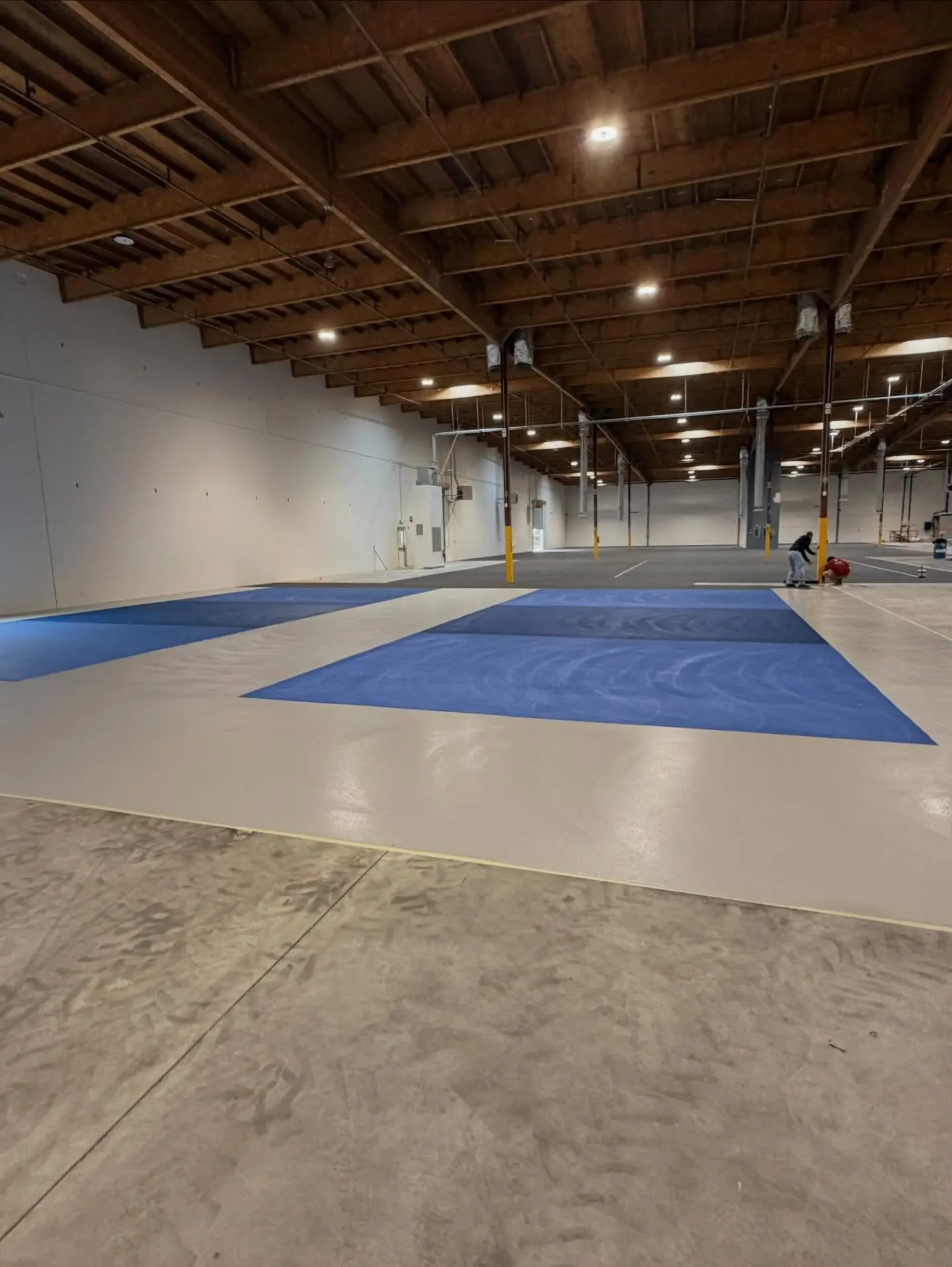
Court conversions are another valuable option. An aging tennis court can often be converted into multiple pickleball courts if the base is structurally sound. This process may include crack repair, leveling, resurfacing, new line striping, new posts, and updated fencing or gates. Conversion can be cost-effective because the existing footprint is already dedicated to recreation.
For commercial, club, school, or HOA projects, long-term performance also depends on traffic planning. Multi-court facilities need enough space between courts, safe entry points, durable fencing, and logical circulation for players and spectators. Small design choices can make a big difference in how comfortable and safe the facility feels.
Maintenance should be part of the ownership plan from the start. Acrylic court surfaces are durable, but they are not maintenance-free. Dirt, leaves, standing water, and organic debris can shorten surface life if ignored.
How pickleball court expert builders in Sacramento handle maintenance and resurfacing
Routine care helps extend the life of the court and keeps play consistent. Most owners can handle basic maintenance with simple tools and a regular schedule.
Recommended maintenance includes:
Removing leaves, pine needles, and debris weekly
Rinsing the surface periodically with clean water
Using mild detergent and a soft brush for stains
Avoiding harsh chemicals and aggressive pressure washing
Keeping bicycles, skateboards, and heavy equipment off the court
Inspecting cracks, low spots, and worn areas seasonally
When grip fades, colors dull, or small surface imperfections become noticeable, resurfacing may be needed. A professional resurfacing typically includes cleaning, crack treatment, patching low areas, applying fresh acrylic coatings, and repainting the court lines. Many courts need resurfacing every several years, depending on use, sun exposure, drainage, and maintenance habits.
The best time to address small issues is before they become structural problems. A hairline crack or minor puddle may seem harmless at first, but water intrusion and repeated use can make repairs more expensive later.
A well-planned pickleball court can become one of the most valuable and active spaces on a property. It supports fitness, recreation, social connection, and year-round enjoyment when it is built with the right materials and maintained properly.
Ace Coatings Sacramento brings a practical, sports-surface-focused approach to each project: evaluate the site, prepare the base correctly, choose the right surface system, and design the court around how it will actually be used.
