

Guide to Residential Pickleball Court Resurfacing
Home Improvement, Residential Pickleball Court Resurfacing
Residential Pickleball Court Resurfacing: A Complete Homeowner’s Guide
If you’re searching for clear, local-friendly advice on residential pickleball court resurfacing, this guide walks you through every step—from recognizing surface problems to choosing the right coatings and contractors in the greater Sacramento area. Whether you built a court in your backyard years ago or recently bought a home with an aging playing surface, resurfacing can restore playability, protect your investment, and help you meet USA Pickleball construction recommendations for a safe, enjoyable game.
Why Resurfacing Your Residential Pickleball Court Matters
A pickleball court may look tough, but constant foot traffic, Sacramento’s hot summers, winter rain, and everyday wear all take a toll. Over time, coatings fade, hairline cracks widen, and the surface can become slick or uneven. Resurfacing is more than a cosmetic upgrade—it directly affects:
Safety: Fresh texture and proper traction reduce slip-and-fall risks for family and guests of all ages.
Playability: A level, consistent surface delivers predictable ball bounce, fair games, and fewer frustrations.
Longevity: Quality coatings act like armor, protecting the concrete or asphalt base from water, UV rays, and temperature swings.
Curb appeal and home value: A clean, modern court becomes a standout backyard feature that impresses visitors and future buyers.
Signs Your Backyard Pickleball Court Needs Resurfacing
Not sure if your court needs a full resurfacing or just minor touch-ups? Walk the entire surface slowly and look for these common warning signs homeowners notice first:
Cracks: Hairline cracks may start small but can widen with heat and moisture. Larger cracks can catch shoes or disrupt ball bounce.
Peeling or flaking coatings: If old paint or coatings are lifting, chipping, or powdery, the surface is no longer well protected.
Standing water: Puddles that linger after watering or rain indicate low spots or surface depressions that affect safety and playability.
Faded lines and color: When court lines are hard to see, calls become difficult and play feels less professional and polished.
Slick or overly rough texture: A surface that feels slippery when dusty or wet—or so rough it scuffs shoes—needs attention.
If you recognize several of these issues, it’s usually more cost-effective to resurface now rather than wait for structural damage that might require a full rebuild of the slab beneath the court.
What Professional Residential Pickleball Court Resurfacing Involves
Resurfacing is a multi-step process designed to repair, protect, and beautify your court. While every project is customized to the condition of your surface, a typical workflow includes:
Inspection and consultation: A coatings professional evaluates cracks, drainage, coatings, and base condition, then recommends the right system for a residential setting.
Thorough cleaning: Power washing removes dust, dirt, algae, and loose materials so new coatings bond properly to the surface beneath.
Crack and patch repairs: Specialized crack fillers, patching compounds, or leveling materials smooth out defects, dips, and trip hazards before coating begins.
Primer or base coat: Depending on the system selected, a primer or base layer promotes adhesion and evens out absorption across the slab or asphalt.
Textured color coats: Multiple coats of sport-specific coatings add color, UV protection, and a carefully tuned texture for traction without being abrasive.
Precision line striping: Playing lines are measured and painted to recommended dimensions, creating a court that feels consistent and professional.
The result is a court that not only looks new but also performs reliably for daily games, family tournaments, and friendly neighborhood matches.
Meeting Recommended Court Standards at Home
Even though your court is residential, many homeowners want it to feel as close as possible to a dedicated club or community facility. Resources from USA Pickleball outline recommended dimensions, layout, and construction practices that can be adapted to backyard installations. When you resurface, it’s a perfect time to:
Confirm overall court size and clearances are as close as possible to recommended dimensions for comfortable play and safe movement.
Re-check net post locations and center-line alignment so serves and returns feel correct from both sides of the court.
Adjust line striping if necessary to reflect current guidelines, especially if your court was built several years ago.
Aligning your home court with recognized standards makes practice more meaningful and helps guests immediately feel comfortable with the layout when they step onto the surface.

A detailed surface inspection helps determine the right resurfacing system and repairs.
Choosing Colors and Finishes for Your Backyard Court
One of the most enjoyable parts of residential pickleball court resurfacing is selecting the color scheme and finish. Many Sacramento-area homeowners want a court that performs like a sports facility but still complements their home’s architecture and landscaping. When you’re planning your design, consider:
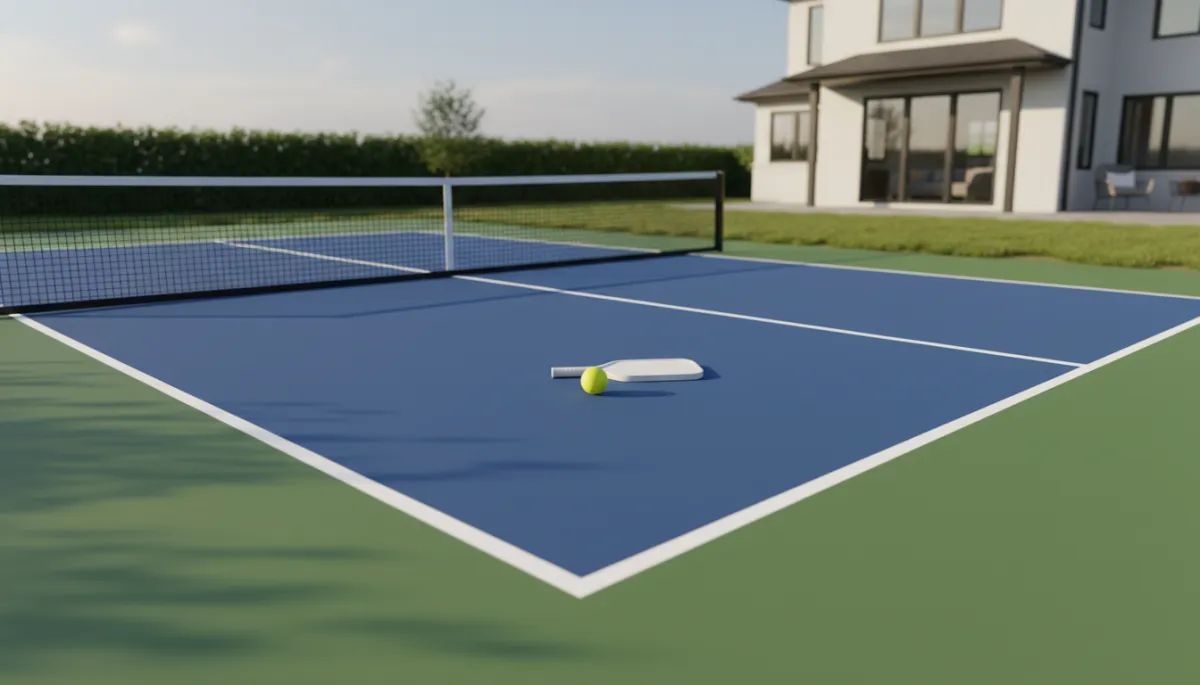
Contrast for visibility: Using a darker main color with lighter non-volley zones and crisp white lines makes it easier to track the ball and judge boundaries, especially in bright sun.
Neutral tones around the court: Surrounding hardscape and borders in neutral shades can help the court blend with patios, pool decks, and garden areas.
Glare reduction: Matte or low-sheen coatings cut down on glare, improving visibility during midday matches and evening games under lights.
Experienced installers can recommend combinations that balance aesthetics, comfort, and performance so your court looks great in real life and in photos of family gatherings and friendly tournaments.
How Long Does Residential Pickleball Court Resurfacing Take?
Homeowners often want to know how long they’ll be without their court. The exact timeline depends on weather, surface condition, and the coating system selected, but a typical project might look like this:
Day 1: Inspection, masking, and deep cleaning of the existing surface.
Day 2: Crack repairs, patching, and any leveling needed to address birdbaths or low spots.
Days 3–4: Application of base or primer coats followed by textured color coats, with appropriate drying time between layers.
Day 5: Line striping, touch-ups, and cleanup of the work area.
After installation, most systems require a short curing period before you resume play—often a few days, depending on temperature and humidity. Your installer will give you clear guidance so you know exactly when to schedule your first game on the new surface.
Maintenance Tips to Extend the Life of Your New Court
Once your court is resurfaced, a few simple habits can dramatically extend its life and keep it looking sharp year-round in the Sacramento climate:
Sweep or blow off leaves, dust, and debris regularly so abrasive particles don’t grind into the surface underfoot.
Rinse the court occasionally with a garden hose to remove buildup, especially after windy days or nearby yard work.
Avoid dragging heavy furniture, grills, or equipment across the court; lift and carry instead to prevent gouges or scrapes.
Inspect the surface yearly for early signs of wear or small cracks and address them promptly to prevent larger issues.
With basic care and periodic professional checkups, a properly resurfaced residential pickleball court can provide many seasons of smooth, reliable play for you, your family, and your friends.
Why Work with a Local Residential Court Coatings Specialist
For homeowners, one of the most important decisions is who you trust to resurface your court. A local specialist understands the Sacramento area’s unique climate, soil conditions, and design preferences and can recommend systems that hold up under intense summer sun and cool, damp winters. Partnering with Ace Coatings Sacramento gives you access to professionals who focus on protective and decorative coatings tailored to residential spaces, including backyard sports courts.
A dedicated coatings team can walk you through options, explain the pros and cons of different systems, and help you balance budget, aesthetics, and performance. They also coordinate timing, surface preparation, and curing schedules so your project runs smoothly from first consultation to final walk-through.
Planning Your Resurfacing Project: Practical Considerations for Homeowners
Before you schedule work, it helps to think through a few practical details. This preparation makes your resurfacing project faster, cleaner, and more enjoyable:
Decide whether you want any layout changes—such as adding a multi-sport design or adjusting surrounding hardscape—before coatings are applied.
Clear nearby furniture, planters, and décor so installers have easy access and can protect adjacent surfaces effectively.
Consider your household schedule and choose a time of year when a few days of downtime for the court won’t interrupt major gatherings or events.
A brief planning conversation with your coatings professional can clarify all of these points and help set realistic expectations for the process, from the first day of preparation to your first game on the new surface.
Bring Your Residential Pickleball Court Back to Life
A well-resurfaced backyard pickleball court becomes more than a place to play—it’s a gathering spot, a fitness space, and a year-round source of fun for family and friends. By addressing cracks, fading, and uneven texture now, you protect your investment, reduce long-term repair costs, and create a safer, more enjoyable environment for every match.
If you’re ready to explore options for residential pickleball court resurfacing in and around Sacramento, reach out to a trusted local coatings expert. For tailored guidance, detailed estimates, and professional installation, you can contact us at Ace Coatings Sacramento and start planning a court that looks great, plays beautifully, and stands up to years of regular use.
