


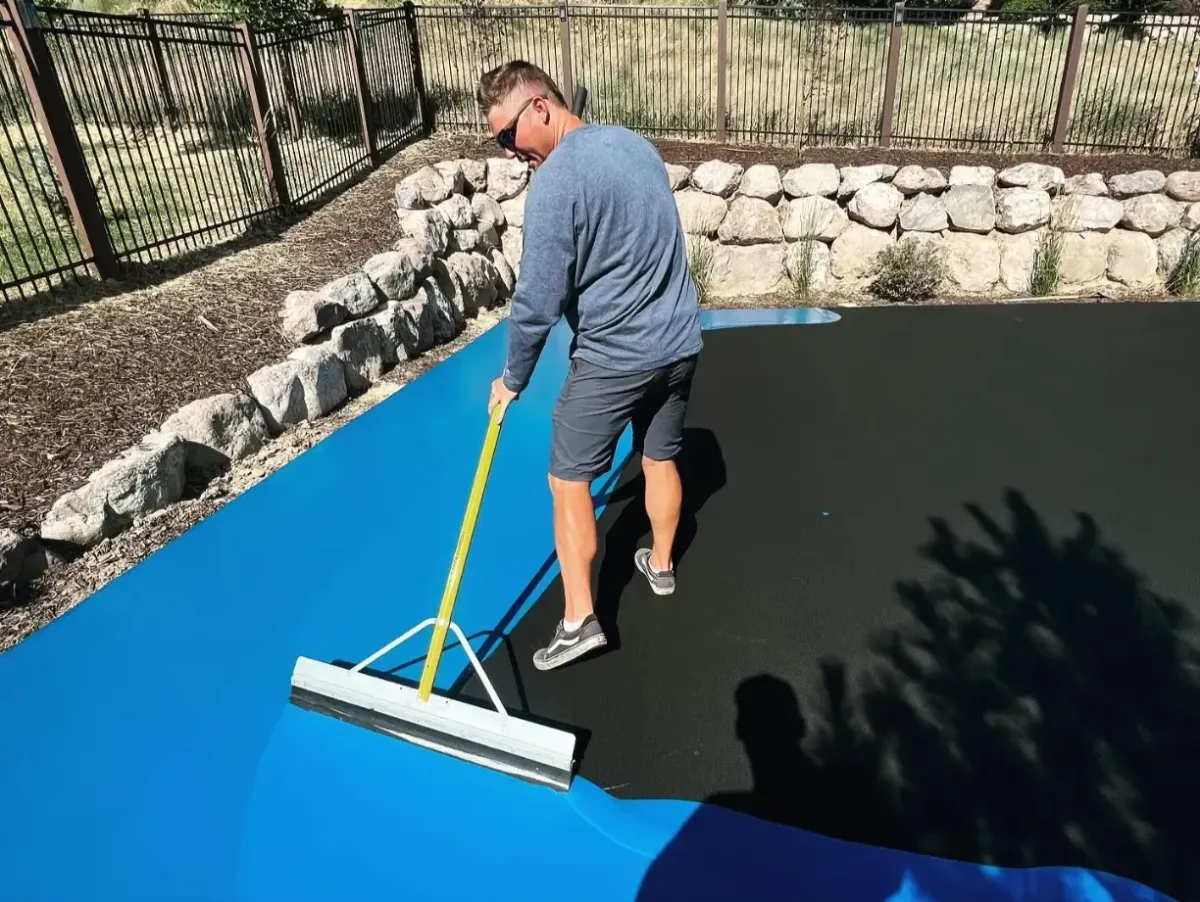
Tennis and Pickleball Court Builder Companies: What to Know Before Deciding to Commit
Choosing the right tennis and pickleball court builder companies can make the difference between a court that performs beautifully for decades and one that develops drainage issues, cracks, fading, or unsafe play conditions within only a few seasons. In Sacramento, where hot summers, seasonal rain, soil movement, and heavy recreational demand all affect outdoor courts, the planning stage matters just as much as the final surface coating.
A well-built court is more than a flat slab with lines. It is a designed athletic system that depends on proper grading, drainage, base construction, surfacing, fencing, lighting, and long-term maintenance. Whether you are building a private backyard court, upgrading an HOA amenity, converting a tennis court into pickleball courts, or developing a multi-sport facility, the contractor you choose should bring specialized sport-surface experience to the project.
For property owners, the goal is not only to create a court that looks impressive on opening day. The real measure of quality is how the court plays after years of sun exposure, seasonal use, cleaning, resurfacing, and everyday wear.
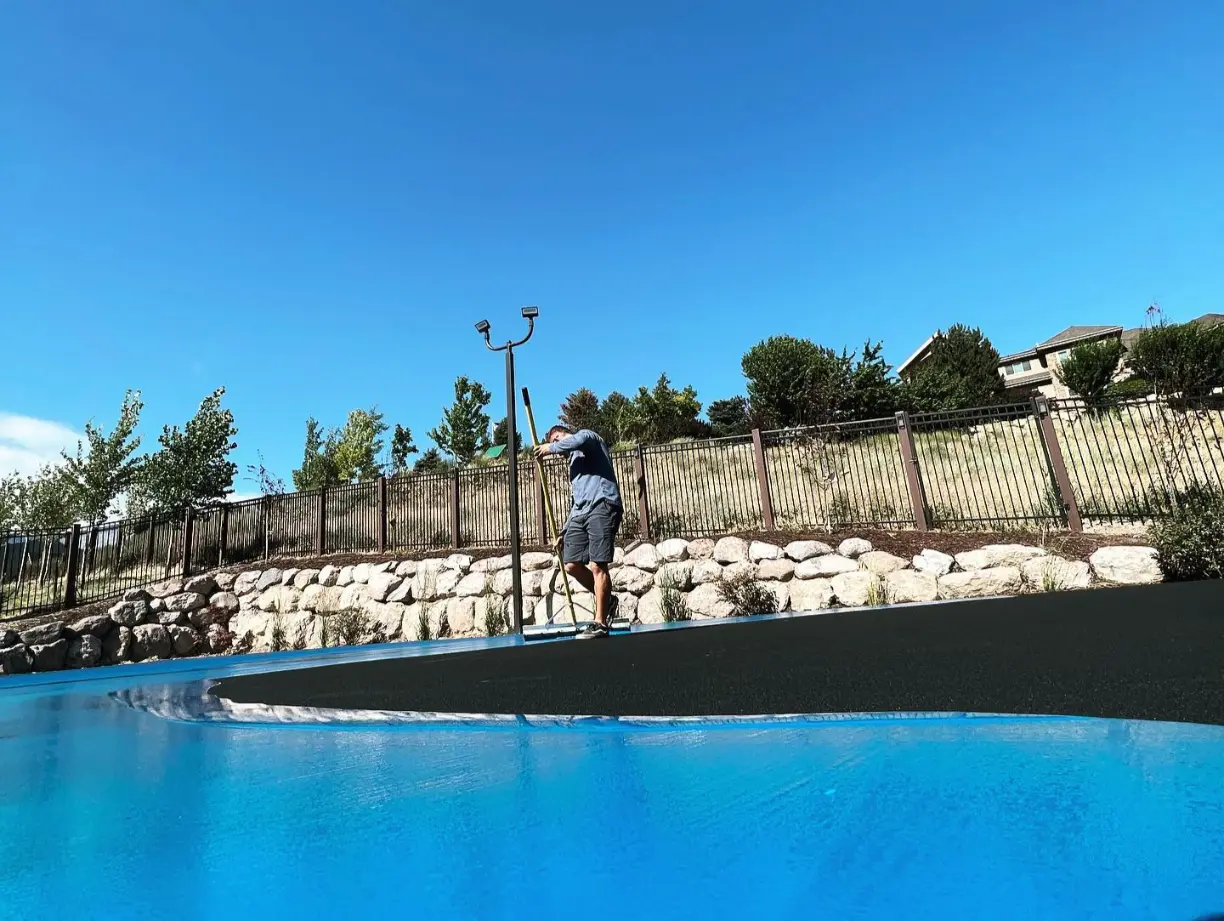
What tennis and pickleball court builder companies Should Evaluate Before Construction
A professional court project should begin with a thorough site review. Before discussing colors, lines, or accessories, your builder should understand the property conditions that will affect performance.
In the Sacramento area, this includes evaluating soil stability, slope, water flow, sun exposure, nearby trees, access for equipment, and available court footprint. Skipping this step can create costly issues later, especially if water drains toward the court or the base is installed over poorly prepared ground.
A proper evaluation should address:
Court orientation and sun angle
Available space for regulation play and safe run-off areas
Soil conditions and compaction needs
Drainage patterns during rain events
Nearby landscaping, roots, and debris sources
Access for construction equipment
Fencing, lighting, seating, and walkway placement
Local permitting or HOA requirements
Budgeting should also happen early. Costs can vary widely depending on whether you choose asphalt, reinforced concrete, post-tensioned concrete, cushioned surfacing, lighting, fencing, retaining walls, or custom amenities. A smaller backyard court will have different requirements than a multi-court community or school facility.
Ace Coatings Sacramento can help property owners think through these early-stage decisions before committing to a system. That matters because a well-planned court is usually more cost-effective than one that requires corrections after installation.
Site Planning Questions for tennis and pickleball court builder companies
Before signing a contract, ask questions that reveal whether the contractor truly understands athletic court construction. A general paving company may be able to pour asphalt or concrete, but sport courts require tighter tolerances, controlled slope, specialty coatings, and accurate line layout.
Useful questions include:
How will the court be graded for drainage?
What base system do you recommend for this property and why?
How will you handle soil movement or existing cracks?
What surfacing system will be used?
How many coating layers are included?
Will the court meet proper tennis or pickleball dimensions?
What maintenance should be expected after installation?
When should resurfacing be planned in the future?
The answers should be specific. Vague promises about “level surfaces” or “premium coatings” are not enough. A qualified builder should be able to explain the system, the materials, the preparation process, and the expected lifespan of the work.
How tennis and pickleball court builder companies Build for Durability and Playability
The base is the most important part of the court, even though players rarely see it. If the foundation is poorly prepared, the finished surface may crack, settle, hold water, or wear unevenly.
Two of the most common base options are asphalt and concrete. Asphalt is often less expensive upfront and has been used for sport courts for many years. However, it can oxidize, soften in heat, and develop cracks over time. Concrete generally offers greater stability, especially when reinforced or post-tensioned, but it requires proper engineering and installation.
For Sacramento properties, heat exposure is an important consideration. Surface materials expand and contract as temperatures change. Courts also need to shed water efficiently during rainy months. A properly designed slope helps move water off the playing area without making the court feel uneven during play.
Drainage should never be treated as an afterthought. Standing water can stain coatings, soften surrounding areas, increase slip risk, and shorten the life of the surface system. If the property has poor natural drainage, the project may require additional grading, trench drains, French drains, or perimeter drainage improvements.
Once the base is ready, the surface system determines how the court feels and performs. Acrylic sport coatings are common because they provide traction, color consistency, and reliable ball response. The texture is created with carefully selected aggregate, usually blended into coating layers to balance grip and play speed.
For facilities serving older players or high-volume communities, cushioned acrylic systems may be worth considering. These systems include resilient layers beneath the color coats to reduce impact on joints while maintaining consistent bounce.
Surface Options from tennis and pickleball court builder companies
Surface selection should match the people who will use the court most often. A competitive tennis facility, a retirement community pickleball complex, and a family backyard court may all need different systems.
Common options include:
Standard acrylic hardcourt systems
These are durable, attractive, and suitable for tennis, pickleball, and multi-sport use. They offer dependable traction and are relatively easy to maintain.
Cushioned acrylic systems
These add shock-absorbing layers for improved comfort. They are popular for pickleball facilities because the sport involves quick starts, stops, and lateral movement.
Multi-sport surfacing systems
These are designed for properties that need tennis, pickleball, basketball, volleyball, or other activities on one surface. Line color planning is important so the court remains readable and not visually cluttered.
Heat-conscious color layouts
Sacramento summers can be intense, so lighter color combinations may help reduce surface heat compared with darker courts. Good contrast also improves visibility for players.
If pickleball is part of the project, line accuracy, surface texture, and court dimensions should align with USA Pickleball guidance so the court plays consistently and safely.
Why tennis and pickleball court builder companies Matter for Conversions, Amenities, and Long-Term Care
Not every project requires new construction. Many property owners are converting existing tennis courts into pickleball courts or adding pickleball lines to underused tennis facilities. This can be an efficient way to meet demand without building from scratch.
A standard tennis court can often accommodate multiple pickleball courts, depending on the available space, fencing, net systems, and desired player flow. However, conversion work should still be handled carefully. Simply painting new lines over a worn surface is rarely the best long-term solution.
A proper conversion may include:
Deep cleaning
Crack repair
Low-area patching
Surface preparation
Acrylic resurfacing
New color coating
Tennis and pickleball line striping
Net system adjustments
Fence or access improvements
Ace Coatings Sacramento can evaluate whether an existing court is a good candidate for conversion or whether resurfacing should happen first. This is especially important when cracks, peeling coatings, or drainage problems are already present.
Amenities also play a major role in the final user experience. Fencing keeps balls contained and improves safety. Lighting extends usable play hours. Seating, shade, windscreens, walkways, and storage can make the court more comfortable and functional.
For lighting, modern LED systems are often preferred because they provide strong visibility with better energy efficiency than older fixtures. Placement matters, though. Poorly aimed lights can create glare for players or disturb nearby homes.
Fencing decisions should consider both function and appearance. Traditional tennis court fencing is often higher at the baselines, while pickleball facilities may use layouts that improve visibility and spectator access. Gates should be positioned for smooth traffic flow and maintenance access.
Maintenance Advice from tennis and pickleball court builder companies
A court’s lifespan depends heavily on maintenance after construction. Even a well-built court can deteriorate early if debris, standing water, mold, or minor cracks are ignored.
A practical maintenance schedule includes:
Remove leaves, dirt, and debris regularly
Keep nearby landscaping trimmed
Clean mildew or organic buildup before it spreads
Avoid harsh chemicals and aggressive pressure washing
Inspect cracks after seasonal weather changes
Check net posts, fencing, gates, and hardware
Keep drainage areas open and clear
Plan professional resurfacing before the surface becomes unsafe
Most outdoor acrylic courts need resurfacing periodically, often every several years depending on usage, climate, and care. Heavy-use community courts may need attention sooner than private courts with lighter play.
Ace Coatings Sacramento can also help owners understand when simple repairs are enough and when resurfacing is the smarter investment. Repeatedly patching a failing surface can become more expensive than addressing the full court system properly.
Conclusion
Building or upgrading a tennis or pickleball court is a meaningful investment in recreation, property value, and community engagement. But the quality of the result depends on more than good-looking paint and clean lines. The best courts are planned from the ground up, with attention to drainage, base stability, surface system, player safety, and long-term maintenance.
Before committing to a contractor, take time to understand their experience, materials, process, and ability to solve site-specific challenges. A skilled sport-surface team should be able to explain not only what they will build, but why each choice supports better performance and durability.
With the right planning and the right builder, an ordinary space can become a reliable, attractive, and highly used athletic asset for years to come.
